
Wine Gums: A Chewy South African Favourite

Wine gums hold a special place in the hearts of South Africans who grew up enjoying these chewy, fruit-flavoured sweets. Despite their name, these colourful confections contain no wine or alcohol whatsoever. For South Africans living in New Zealand, wine gums represent more than just a sweet treat; they're a nostalgic connection to home, a reminder of childhood tuck shops, and a familiar taste that bridges the distance between two countries. Understanding what makes these sweets so beloved reveals insights into South African food culture and the enduring appeal of traditional confectionery.
The Origins and History of Wine Gums
Wine gums were first created in 1909 by Charles Gordon Maynard, son of the founder of Maynard's confectionery company in the United Kingdom. The young Maynard developed these firm, chewy sweets as an alternative to harder boiled sweets, crafting a unique texture that set them apart in the confectionery market. The name "wine gums" sparked controversy with his teetotaller father, who initially objected to any association with alcohol.
Charles convinced his father that the name referred to the sophisticated flavour profiles rather than actual wine content. Each sweet was stamped with wine-related terms such as "port," "sherry," "champagne," "burgundy," and "claret," though the flavours themselves were fruit-based rather than wine-inspired.
The confection quickly gained popularity throughout the British Commonwealth, including South Africa, where it became a staple sweet enjoyed across generations. The chewy texture and intense fruit flavours distinguished wine gums from other jellied sweets of the era.
How Wine Gums Became a South African Staple
South Africa's historical ties to Britain meant that many British confectionery products became embedded in South African food culture. Wine gums appeared in tuck shops, corner cafés, and sweet counters throughout the country, becoming as South African as they were British in the minds of consumers.
Various manufacturers produced their own versions, creating slight variations in texture, flavour intensity, and shape. The sweets became associated with cinema visits, long car journeys, and childhood rewards, cementing their place in South African nostalgia.
The Science Behind Wine Gums
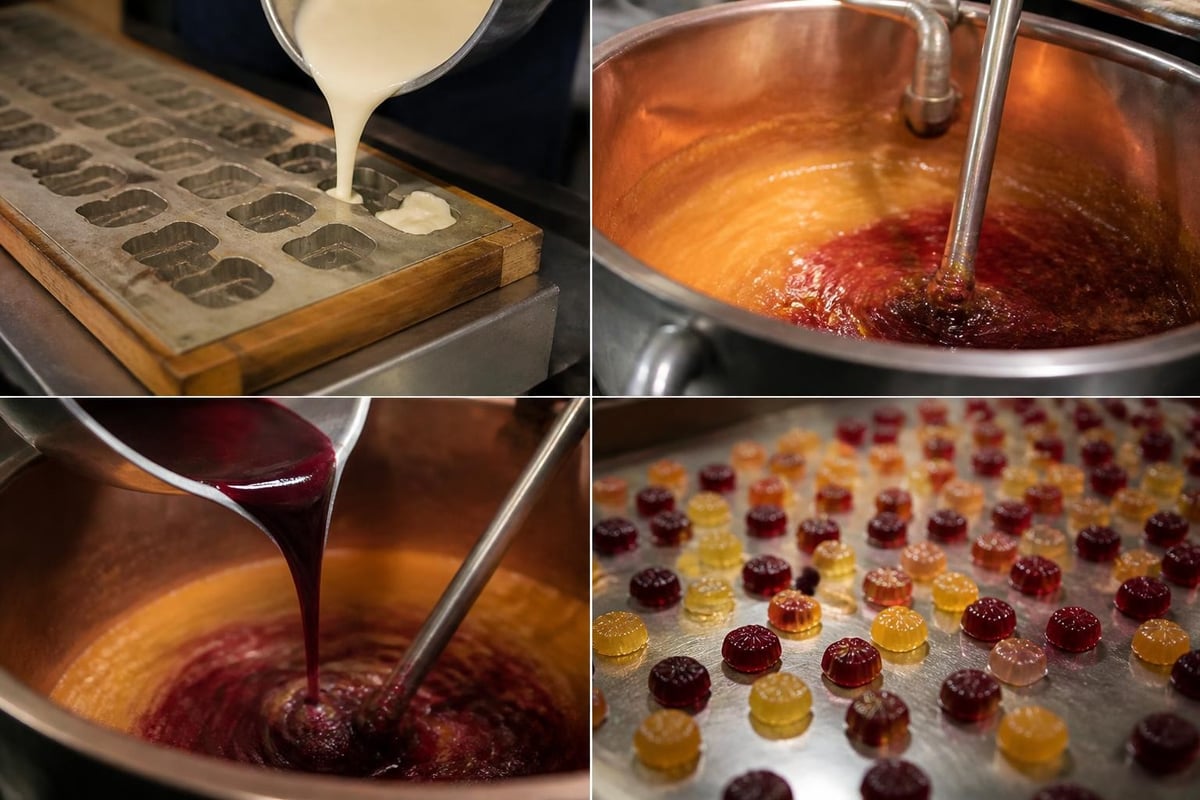
Understanding how wine gums are manufactured reveals the careful balance of ingredients and processing that creates their signature texture. The production process differs significantly from other gummy confections, resulting in a firmer, longer-lasting chew.
Key Ingredients and Their Functions
| Ingredient | Purpose | Effect on Texture |
|---|---|---|
| Gelatin or Agar | Gelling agent | Creates firm, chewy structure |
| Sugar/Glucose Syrup | Sweetness, texture | Controls moisture, prevents crystallisation |
| Citric Acid | Flavour enhancement | Provides tartness, balances sweetness |
| Natural/Artificial Flavours | Taste profile | Delivers fruit character |
| Colours | Visual appeal | Identifies flavour varieties |
The traditional mogul process for producing wine gums involves creating moulds in trays of starch powder. The hot gelatin mixture is deposited into these impressions, where it cools and sets over 24 to 48 hours. This extended setting time contributes to the distinctive firm texture that differentiates wine gums from softer gummy bears or jellies.
Modern manufacturers have explored alternatives to gelatin, particularly for vegetarian and vegan consumers. Research into agar-agar applications in confectionery demonstrates how plant-based gelling agents can replicate the chewy texture, though slight differences in mouthfeel remain. Technical studies on pectin-based gummies further illuminate the complexity of formulating these confections with alternative ingredients.
The Chemistry of Chewiness
The unique texture of wine gums results from the precise ratio of gelling agents to sugars and the cooking temperature. Unlike softer gummies that use lower gelatin concentrations, wine gums employ higher percentages to achieve their characteristic firm bite.
The crystallisation of sugars during storage actually enhances the product, creating a slight surface texture that prevents the sweets from sticking together. This controlled crystallisation is one reason wine gums maintain their quality over extended shelf life when stored properly.
Comprehensive research on gummies as functional delivery systems explores the hydrogel mechanisms that create different textural properties in gelled confections, highlighting the sophisticated food science behind these seemingly simple sweets.
Flavours and Varieties
Traditional wine gums come in a spectrum of fruit flavours, each associated with a specific colour. The standard palette includes blackcurrant (black or dark purple), lime (green), lemon (yellow), orange (orange), and strawberry (red). Some manufacturers add additional flavours such as pineapple or raspberry.
The flavour intensity sets wine gums apart from many other fruit-flavoured confections. The concentrated fruit essences create a bold taste experience that develops as you chew, with the flavour releasing gradually rather than all at once.
Regional Variations
Different countries and manufacturers have created their own interpretations:
- Traditional British style: Firmer texture, more subtle fruit flavours
- South African versions: Often slightly softer, more intense sweetness
- Modern variants: Sugar-free options, sour coatings, exotic fruit flavours
- Premium ranges: Natural colours and flavours, organic ingredients
For South Africans in New Zealand, finding authentic versions that match their childhood memories can be challenging. The texture and flavour profile must align with expectations built over decades of familiarity.
Health Considerations and Nutritional Context
Wine gums, like most confectionery, are primarily composed of sugars and should be enjoyed in moderation. A typical serving of 100 grams contains approximately 340-360 calories, with sugar content ranging from 70-75 grams depending on the manufacturer.
The NHS guidance on sugar in our diet recommends adults consume no more than 30 grams of free sugars per day, which puts wine gums firmly in the occasional treat category rather than everyday consumption.
Nutritional Breakdown
Typical per 100g:
- Energy: 1430 kJ / 340 kcal
- Fat: <0.5g
- Carbohydrates: 83g (of which sugars: 72g)
- Protein: 4.5g (from gelatin)
- Salt: 0.05g
The gelatin content provides a small amount of protein, though this shouldn't be considered a nutritional benefit given the high sugar content. Vegetarian alternatives using pectin or agar provide no protein but maintain the textural characteristics.
Wine Gums in South African Food Culture
For South Africans, wine gums occupy a unique space in the confectionery landscape alongside other beloved treats like Wilsons Toffo toffees and Sally Williams nougat. They represent a bridge between British heritage and South African identity, having been absorbed so thoroughly into local culture that many don't realize their British origins.
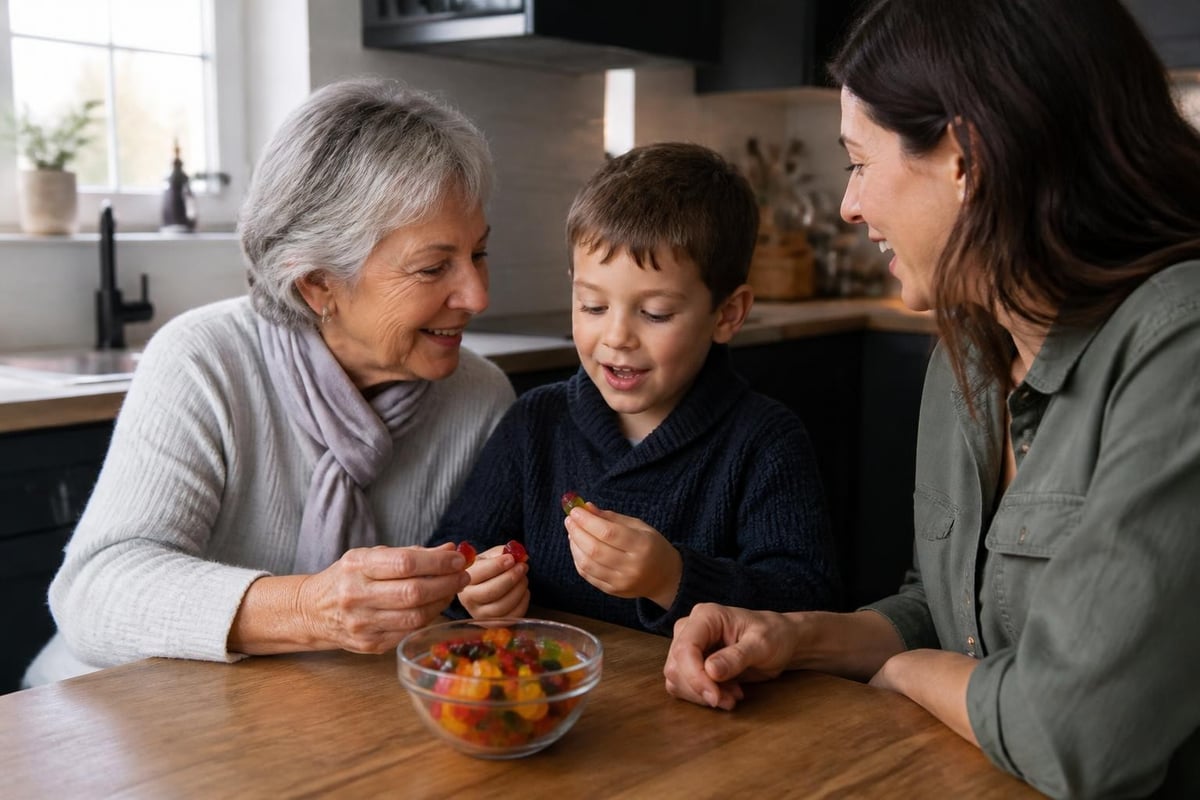
The sweets featured prominently in South African childhoods, purchased from school tuck shops alongside other favourites. Cinema trips weren't complete without a box of wine gums, and long road trips demanded a supply in the cubbyhole. This cultural embedding means wine gums trigger powerful nostalgia for South Africans living abroad.
The Expat Experience
South Africans relocating to New Zealand often find themselves craving familiar tastes. While New Zealand offers excellent confectionery, it differs from South African varieties in subtle but significant ways. The specific texture, flavour intensity, and even packaging of wine gums from home become important touchstones.
This phenomenon extends beyond sweets to encompass all South African groceries, from Cremora coffee creamer to Mrs Ball's Chutney. The ability to access these products helps maintain cultural connections and provides comfort in a new country.
Finding Wine Gums in New Zealand
For South Africans in New Zealand seeking authentic wine gums, specialist importers provide the solution. Something From Home operates as a comprehensive South African food store in New Zealand, stocking more than 2,500 South African products that help expats stay connected to their culinary heritage.
The challenge of bringing South African food into New Zealand means that reliable importers who navigate biosecurity regulations become invaluable resources. These specialist retailers ensure products meet New Zealand's import requirements while maintaining the authenticity South Africans seek.
Why Specialist Importers Matter
Key advantages of specialist South African shops:
- Authentic products: Exact brands and formulations from South Africa
- Consistent availability: Regular import schedules ensure stock
- Cultural understanding: Staff who understand why specific products matter
- Comprehensive range: Beyond sweets to include savoury items, beverages, and household goods
- Online accessibility: Nationwide delivery throughout New Zealand
The ability to order South African groceries online transforms the expat experience, making it possible to recreate authentic meals and enjoy familiar treats regardless of location within New Zealand.
Modern Innovations in Wine Gum Production
The confectionery industry continues evolving, with manufacturers exploring new formulations and production methods. Industry trends in jellies and gummies highlight growing consumer demand for natural ingredients, reduced sugar options, and dietary-inclusive formulations.
Current Trends
Sugar-Free Alternatives
Manufacturers now produce sugar-free wine gums using polyols such as maltitol or isomalt. These versions appeal to diabetics and those reducing sugar intake, though the texture and flavour differ slightly from traditional recipes.
Natural Ingredients
Consumer preference for natural colours and flavours drives reformulation efforts. Plant-based colours from beetroot, turmeric, and spirulina replace synthetic dyes, while natural fruit essences substitute for artificial flavourings.
Vegan Formulations
Research into agar-agar handling and applications supports the development of vegan wine gums that exclude gelatin. These products serve growing vegan populations while maintaining cultural authenticity for those seeking plant-based alternatives.
Pairing Wine Gums with Beverages
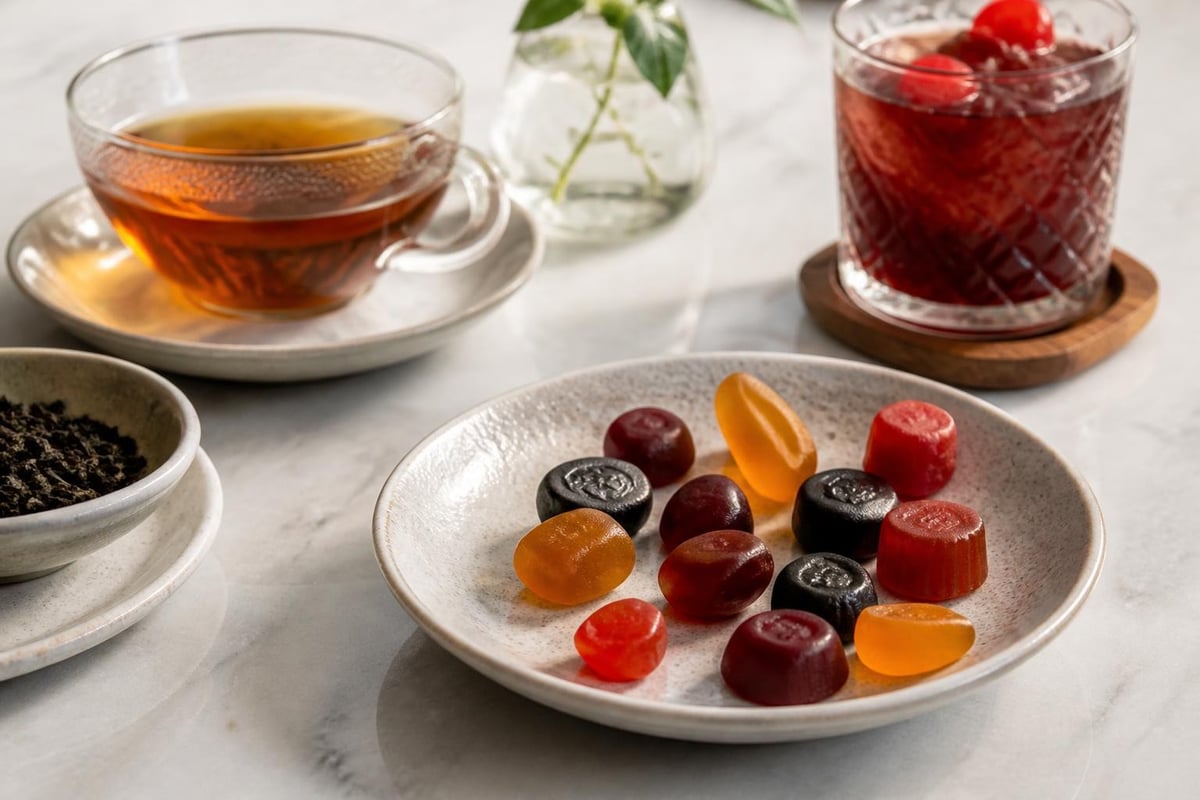
Despite containing no wine, wine gums pair interestingly with various beverages. The intense fruit flavours and chewy texture create contrasts when combined with drinks.
| Beverage | Pairing Notes | Why It Works |
|---|---|---|
| Rooibos tea | Complementary sweetness | Natural earthiness balances fruit intensity |
| Earl Grey | Contrasting flavours | Bergamot cuts through sweetness |
| Coffee | Bold contrast | Bitterness offsets sugar |
| Sparkling water | Palate cleanser | Bubbles refresh between sweets |
For South Africans maintaining tea-drinking traditions, wine gums alongside a cup of rooibos tea creates a comforting ritual. The pairing echoes afternoon tea traditions while celebrating distinctly South African flavours.
Tea enthusiasts might explore these combinations through online tea stores that offer diverse selections, creating interesting flavour experiments with different wine gum varieties.
The Cultural Significance of Comfort Foods
Wine gums exemplify how food transcends mere nutrition to become cultural currency. For diaspora communities, familiar foods provide:
Psychological comfort: Familiar tastes reduce stress and homesickness Cultural identity: Maintaining food traditions preserves heritage Social connection: Shared foods create bonds within expat communities Memory triggers: Specific flavours evoke childhood and family Ritual maintenance: Traditional consumption patterns continue despite geography
These factors explain why South Africans in New Zealand actively seek specific brands and products rather than accepting local alternatives. The psychological value exceeds the monetary cost.
Storage and Shelf Life
Proper storage ensures wine gums maintain their optimal texture and flavour. The sweets benefit from cool, dry conditions away from direct sunlight.
Storage Guidelines:
- Store in airtight containers to prevent moisture absorption
- Keep at temperatures between 15-20°C for best texture
- Avoid refrigeration, which can cause sugar crystallisation
- Consume within 12 months of manufacture for optimal quality
- Separate from strong-smelling foods to prevent flavour absorption
Wine gums naturally develop a slight sugar bloom over time, creating a dusty surface appearance. This doesn't indicate spoilage but rather represents natural crystallisation that some consumers prefer.
Beyond Simple Sweets
Wine gums serve purposes beyond immediate consumption. Creative cooks incorporate them into desserts, using them as cake decorations, ice cream mix-ins, or even infusing spirits for cocktails (finally adding actual wine to wine gums).
Some enthusiasts create tasting flights, sampling different manufacturers' versions to identify subtle differences in texture, flavour intensity, and sweetness. This approach mirrors wine tasting, perhaps fulfilling the original naming promise in unexpected ways.
For those interested in wine storage and appreciation from a different angle, custom wine cellars offer sophisticated solutions for serious collectors, demonstrating how different cultures approach food and beverage preservation.
The Economics of Imported Confectionery
Importing wine gums from South Africa to New Zealand involves various costs beyond the product price. Shipping, customs duties, biosecurity clearance, and currency exchange all influence final retail prices.
Cost Factors:
- International freight charges
- Import duties and taxes
- Biosecurity inspection fees
- Currency fluctuations (ZAR to NZD)
- Minimum order quantities
- Storage and warehousing
- Distribution logistics
Despite these added costs, South Africans demonstrate willingness to pay premium prices for authentic products. The emotional value and nostalgia justify the expense, making imported sweets viable business propositions for specialist retailers.
Wine Gums Versus Other Gummy Confections
| Feature | Wine Gums | Gummy Bears | Jelly Babies | Turkish Delight |
|---|---|---|---|---|
| Texture | Very firm, chewy | Soft, bouncy | Soft, dusted | Soft, gel-like |
| Flavour intensity | High | Medium | Low-medium | High |
| Shape | Irregular ovals | Bear-shaped | Baby-shaped | Cubes |
| Coating | None | None | Sugar dust | Icing sugar |
| Gelatin content | High | Medium | Low-medium | None (uses starch) |
This comparison highlights wine gums' distinctive position in the confectionery spectrum. Their firm texture and intense flavours create a different eating experience than softer alternatives.
Maintaining South African Food Traditions Abroad
Wine gums represent just one element of maintaining South African food culture in New Zealand. The broader category includes savoury items, beverages, baking ingredients, and household products that collectively recreate the South African experience.
Essential South African Product Categories:
- Confectionery and snacks
- Spices and seasonings (like peri-peri blends)
- Sauces and condiments
- Beverages (including Mazoe concentrate)
- Baking ingredients
- Household products (such as Sunlight dishwashing liquid)
Access to these products enables South Africans to cook traditional meals, celebrate holidays authentically, and introduce New Zealand friends and family to South African culinary culture.
The Future of Wine Gums
Confectionery trends suggest wine gums will continue evolving while maintaining core characteristics. Manufacturers balance innovation with tradition, introducing new flavours and formulations while preserving the fundamental texture and taste that define the category.
Potential future developments include:
Functional ingredients: Adding vitamins, minerals, or probiotics Regional flavours: Incorporating indigenous fruits and flavours Sustainable sourcing: Ethical ingredient procurement and eco-friendly packaging Artisanal production: Small-batch, premium versions with unique characteristics Personalisation: Custom flavour combinations and shapes
These innovations must respect consumer expectations while offering novelty, a delicate balance that successful brands navigate carefully.
Wine gums remain an enduring favourite among South Africans, valued for their distinctive texture, intense flavours, and nostalgic associations. Whether enjoyed as a simple treat or used creatively in desserts, these chewy sweets connect generations and continents through shared taste memories. For South Africans living in New Zealand, Something From Home provides access to wine gums alongside thousands of other authentic South African products, ensuring that distance doesn't mean losing touch with the flavours of home.


